
by Carlos C. Olaechea
How Peruvians used universal Latino cultural traits to make Peruvian cuisine a global powerhouse—and how you can use the same traits to succeed in and out of the kitchen.
If you’ve paid attention to the culinary world over the past decade, particularly in the Americas, one country’s name comes up repeatedly: Peru. Peruvian cuisine has captured the attention of top chefs across the globe. Culinary giants like Ferran Adrià, Eric Ripert, José Andrés, and Nobu Matsuhisa have either trained in Peru, incorporated Peruvian ingredients into their kitchens, or become obsessed with its culinary offerings.
Every year since 2002, the list of the World’s 50 Best Restaurants has featured Peruvian entries. When Latin American restaurants began appearing more regularly on the list, Peruvian restaurants dominated. In 2023, the top global restaurant title went to Central in Lima, Peru.
But the rise of Peruvian cuisine extends well beyond chef accolades. For 12 consecutive years, Peru has been named the world’s top culinary destination by the World Travel Awards. That means more people travel to Peru for its food than to any other country in the world. In the U.S., some of the most celebrated Latino fine dining restaurants are Peruvian. Even locally, places like Los Andes stand as testament to Peruvian cuisine’s broad appeal.
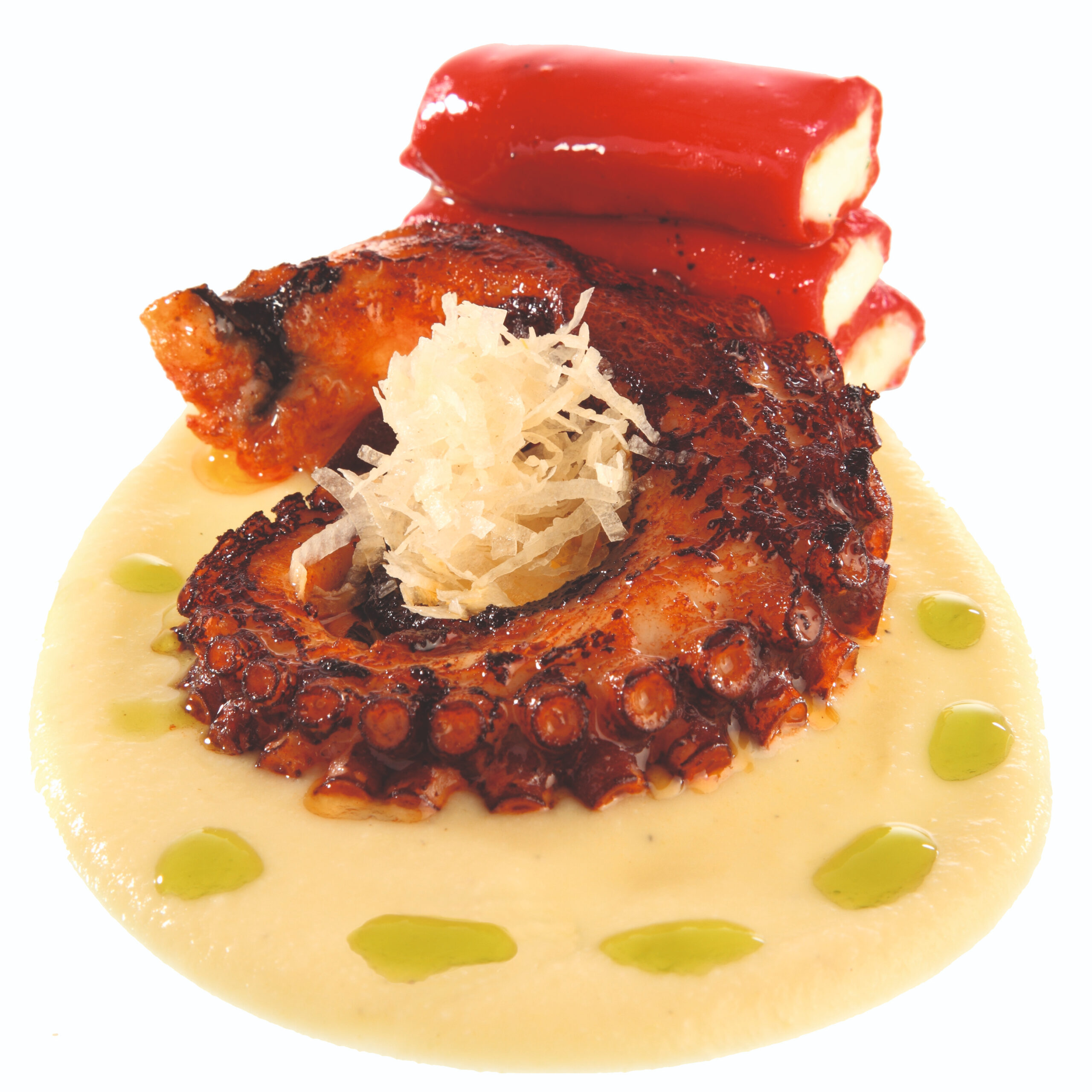
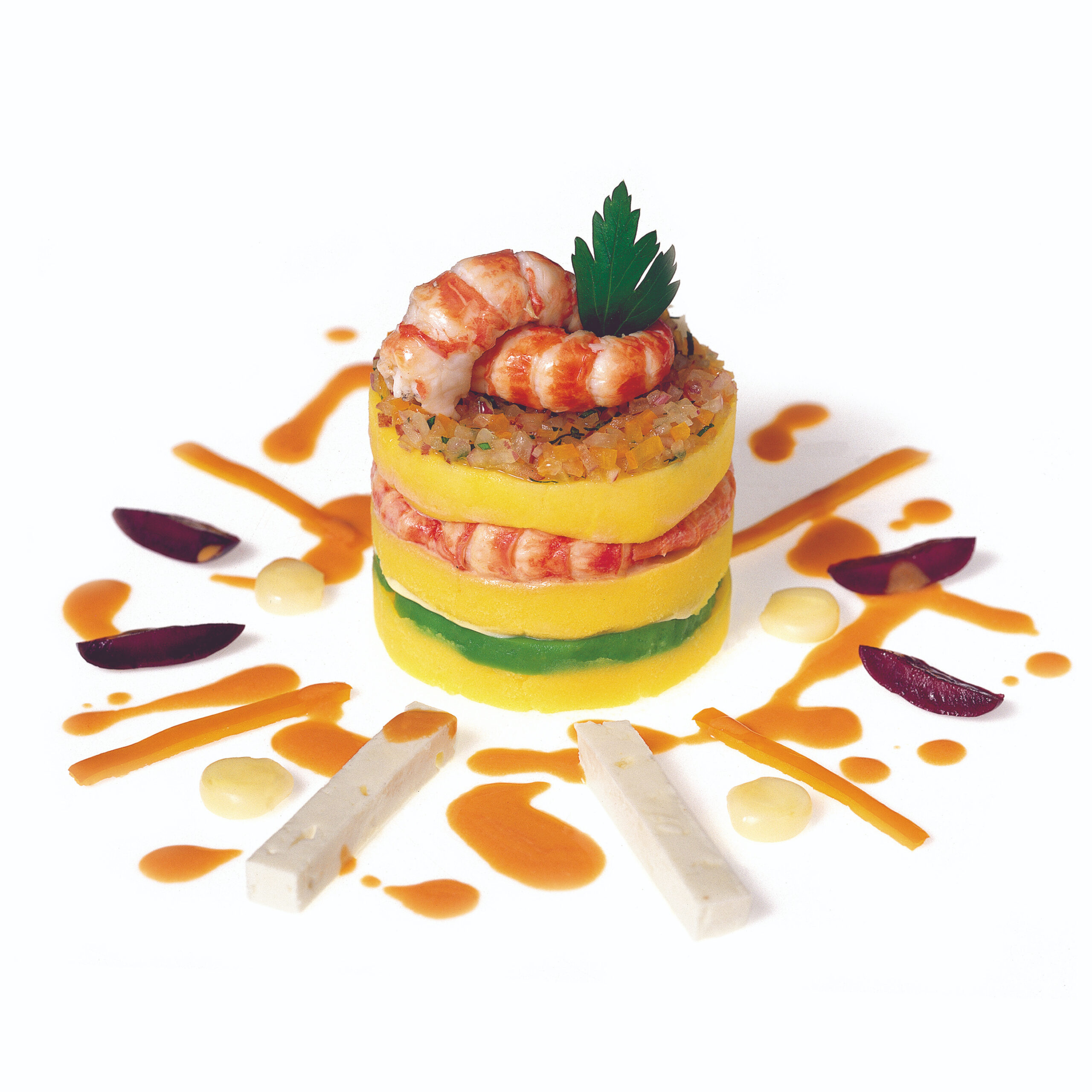
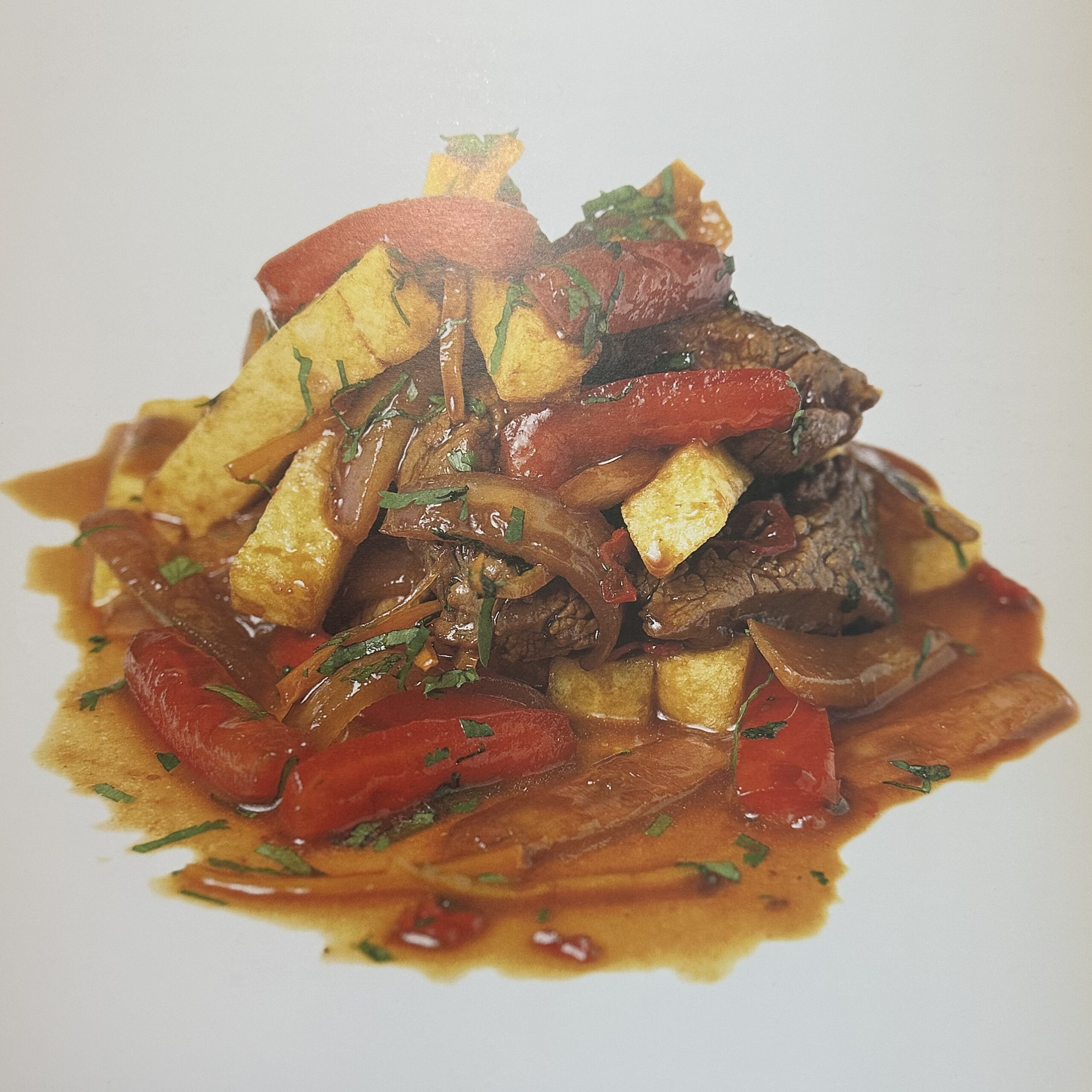
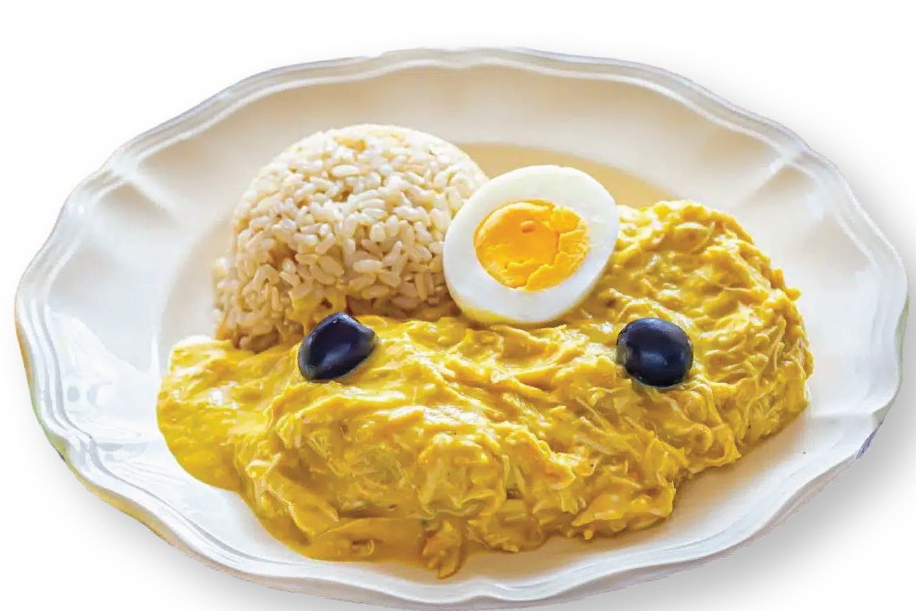
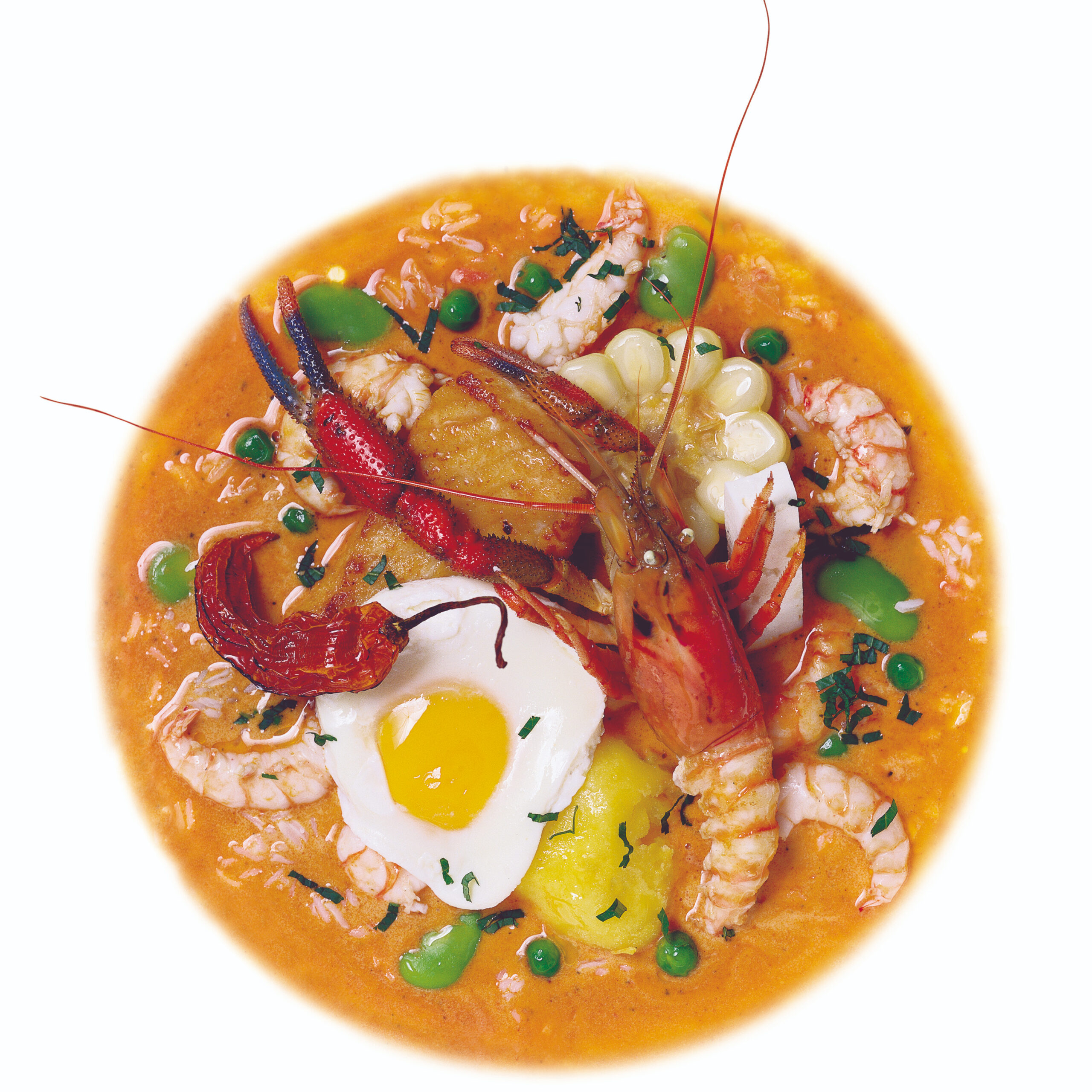
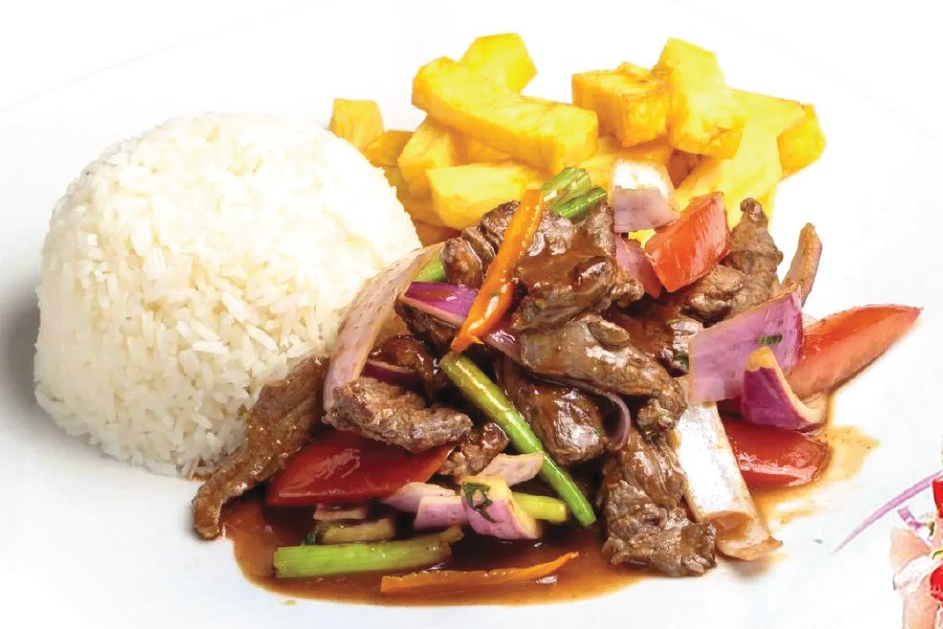
However, it wasn’t always this way. For a long time, even in Peru, the best restaurants weren’t Peruvian but European—primarily French and Italian. Due to viceroyalcolonial legacies, many older generations believed European food was inherently superior. But in the early 2000s, something shifted. A new generation of Peruvian chefs, trained in European kitchens, realized their home cuisine was just as refined, complex, and exciting. They brought their knowledge home, determined to elevate and celebrate Peruvian food.
One key cultural lesson many Latinos grow up with is the importance of presentation. My father taught me early on that how something looks matters just as much as what it is. In many Latino households, personal grooming, fashion, manners, and how you carry yourself are instilled as essential traits. In Peru, even how one walks is part of one’s presentation. This idea extends to food.
Peruvian chefs realized that although the food was delicious, it wasn’t being presented in a way that invited global appreciation. It needed a glow-up. Historically, our dishes—especially on special occasions—have always looked beautiful. But chefs began applying that same attention to detail and pride to everything that came out of the kitchen.everyday plates.
Soon, the visual presentation of Peruvian dishes transformed. Whether in fine dining or humble street food, meals began to be plated with flair and elegance. Rice was no longer scooped but molded into perfect domes. Sauces were drizzled with intention. Garnishes became essential elements, not afterthoughts. Presentation mattered—not for social media likes or awards, but for pride.
Nevertheless,Yet, it isn’t just pretty plating that hashave earned Peru’s cuisine global recognition. One of the most powerful ingredients in Peruvian cuisine is cultural fusion. A Peruvian meal might feature Asian style stir fries fried rice, North African-inspired skewers, Italian pasta,Middle Eastern seasonings, African spice blends, , and or French desserts. To many Westerners, this seems chaotic. To us Latinos, it feels completely natural.
This multicultural layering isn’t unique to Peru. Latinos across the Americas have developed a tradition of blending cultures to create something new—what we often call criollo or creole. It’s a concept that’s not always easy for Anglo Americans non-Latinos to grasp, because in our and many other communities, cultural blending happens so seamlessly that we rarely pause to think about it.
Our cuisines are filled with proof of this. We pair North- and West AfricanMiddle Eastern-style rice with Indigenous beans. We combine Spanish pork with Aztec spices, and Turkish techniques to create tacos al pastor. Colombian cuisine embraced yogurt and kumis from Arab immigrants. In Argentina and Uruguay, Italian immigrants introduced pasta and wine-making. In Peru, Chinese and Japanese immigrants gave us chaufa (fried rice), lomo saltado (beef stir fry), and tiradito (thinly sliced and dressed raw seafood) ceviche presented with sushi-level precision.
What sets Peruvian cuisine apart is this one-two punch: cultural blending and artistic presentation. The flavors are layered from centuries of cultural exchange, and the visuals are the result of deep pride and aesthetic sensibility. This isn’t about catering to outsiders; it’s about honoring ourselves. Peruvian chefs didn’t start making food look good because the world was watching. They started doing it because they realized their own culture and cuisine deserved the same respect and care that others received.
And this mindset isn’t just Peruvian—it’s Latino.
Across our diverse 18 countries, Latinos share two key cultural traits: we have an “out of many come one” ethos’re curious, which makes it easy to form solidarity with people who are different from us about other cultures, and we value presenting our best selves. These principles helped elevate Peruvian food to global acclaim, but they also apply to business, education, relationships, and life.
Our collectivist cultures that value togetherness over individualism natural curiosity makes us excellent connectors. We come from very diverse societies and can find it easy to incorporate We’re drawn to other culture’s people’s traditions, foods, and languages into our own lives. This openness has made Latinos extraordinarily adaptive and innovative— whether in the kitchen, the workplace, or the community. We learn, we absorb, and we remix with heart and flair.
At the same time, our pride in presentation gives us the ability to shine. Whether it’s a perfectly plated meal, a carefully curated outfit, or a well-prepared presentation, we instinctively understand that beauty, care, and pride go hand in hand with success. Our flair is not superficial—it’s soulful. It’s a signal that we respect ourselves and want the world to see the best of what we offer.
So how can you apply these cultural principles in your own life? Start by embracing your heritage. Draw on your cultural instincts. Be open to learning from others, just as Peruvian chefs learned from European kitchens. Don’t be afraid to mix traditions, styles, or methods to create something uniquely your own.
Then, present your work—your food, your art, your ideas—with pride. Polish it, frame it, style it. Not for show, but because what you create deserves to be seen in its best light.
The global rise of Peruvian cuisine is not just a food story—it’s a blueprint for Latino excellence. It reminds us that success doesn’t require abandoning who we are. On the contrary, it comes from embracing our identity, our creativity, and our commitment to making everything we do beautiful and meaningful.
That is the Latino secret to success. It begins in the kitchen—but it goes everywhere from there.
—
 About Us
VISIONARIOS-Providence is building a verified community of professionals, leaders, and organizations shaping Rhode Island’s economic and cultural future. Our launch year is intentionally selective- focused on quality, relevance, and long-term value for our readers and partners.
BECOME A VERIFIED READER
We invite professionals, entrepreneurs, civic leaders, and decision makers to apply for inclusion in our controlled/verified digital circulation, with priority consideration for future print distribution.
> Apply here for Verified Readership
PARTNER WITH US
VISIONARIOS-Providence collaborates with brands, institutions, and organizations that value thought leadership, community impact, and authentic storytelling.
Request advertising & partnership Information
Contact: jon.andrade@visionariospvd.com
CONTRIBUTE TO THE CONVERSATION
We welcome inquiries from experienced writers, subject-matter experts, and community voices aligned with our editorial focus on leadership, business, and cultural insight.
Contact: jon.andrade@visionariospvd.com